

WHAT ARE THE SAFETY IMPLICATIONS AND BENEFITS OF AUTOMATED VEHICLES?
Huge amount of data are being collected to answer that very question. Right now, because of inconsistencies in data collection methods, it is difficult to quantify exactly, but the Insurance Institute for Highway Safety calculated that Waymo’s robo-taxis were involved in 68% fewer crashes per mile driven than human drivers in the same cities. That’s a very promising result.
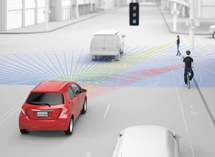
Much of the appeal of autonomous vehicles lies in the fact that a computer cannot fall victim to the types of errors people make that put themselves and others in danger on the road: The poor judgment to drive while intoxicated, the tendency to get distracted by anything from emotions to smartphones, the temptation of breaking the speed limit. A machine cannot get “road rage,” and cameras and sensors can eliminate the blind zones in large vehicles that can allow a driver to “look but not see” a pedestrian or cyclist. Take away the potential for human error, the reasoning goes, and the vast majority of catastrophic crashes should disappear.

While that is likely what we’re seeing in the currently available data from Level 4 “robo-taxi” operations in select cities, the safety implications for widespread use of autonomous vehicles may turn out to be more complex than that. The transportation historian Peter Norton is skeptical about the promises of autonomous vehicles, arguing that they do not address car dependency that makes streets inhospitable to pedestrians. David Zipper points out that more vehicles on the roads – both privately-owned and “deadheading” robo-taxis traveling without passengers – will increase pedestrian exposure, so that even if autonomous vehicles have lower crash rates, the greater number of miles driven could potentially cancel out that benefit.
One thing is certain: We need more data. As operations roll out in more cities, including those with inclement winter weather that has yet to be tested with robo-taxi operations, researchers will be able to better determine exactly how these vehicles perform compared to human drivers, and exactly what that means for roadway safety.
More Q&A
Question & Answers
IN A CRASH, WHO IS RESPONSIBLE?
See AnswerWHAT DO ALL THESE FUTURISTIC WORDS MEAN? A GLOSSARY OF TERMS FOUND ON THE SITE.
See AnswerSHOULD I BE CONCERNED ABOUT THE EVENTUAL DEPLOYMENT OF AUTOMATED VEHICLES?
See AnswerHOW DOES THE U.S. RANK ON THE WORLD STAGE?
See AnswerWHAT ABOUT PEOPLE WHO LIKE TO DRIVE AND EXPERIENCE THE THRILL OF THE OPEN ROAD?
See AnswerHOW MUCH WILL AN AUTOMATED VEHICLE COST?
See AnswerWHAT ARE THE SAFETY IMPLICATIONS AND BENEFITS OF AUTOMATED VEHICLES?
See Answer